How Does Endolift Laser Work? Understanding 1470nm Laser Technology, Fiber Delivery and Collagen Remodeling
Introduction
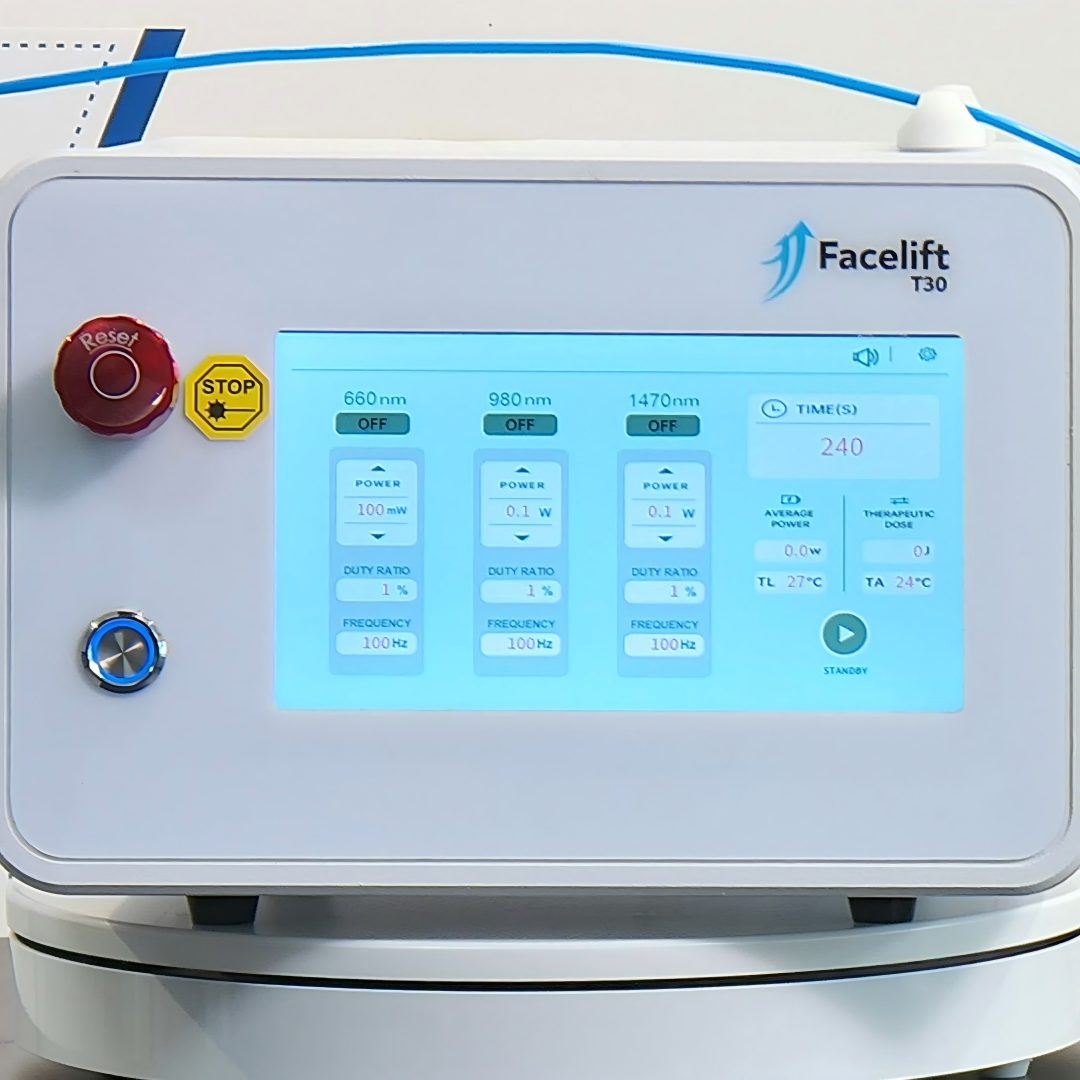
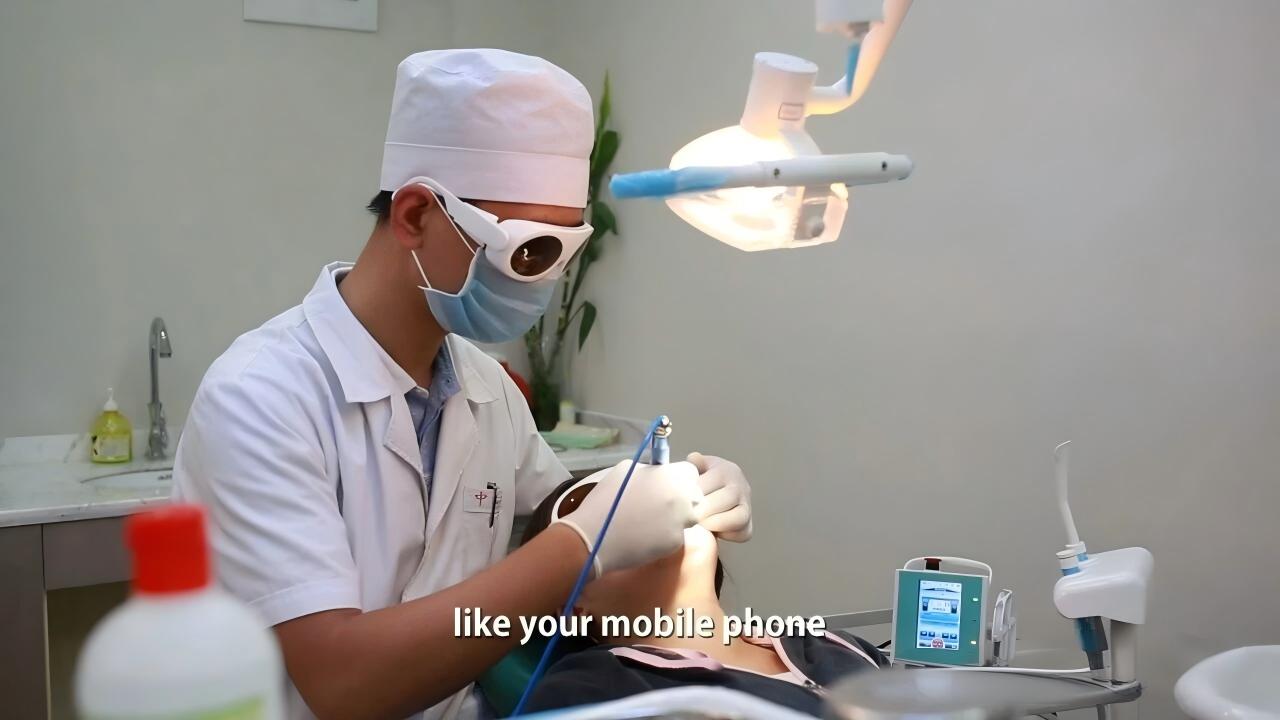
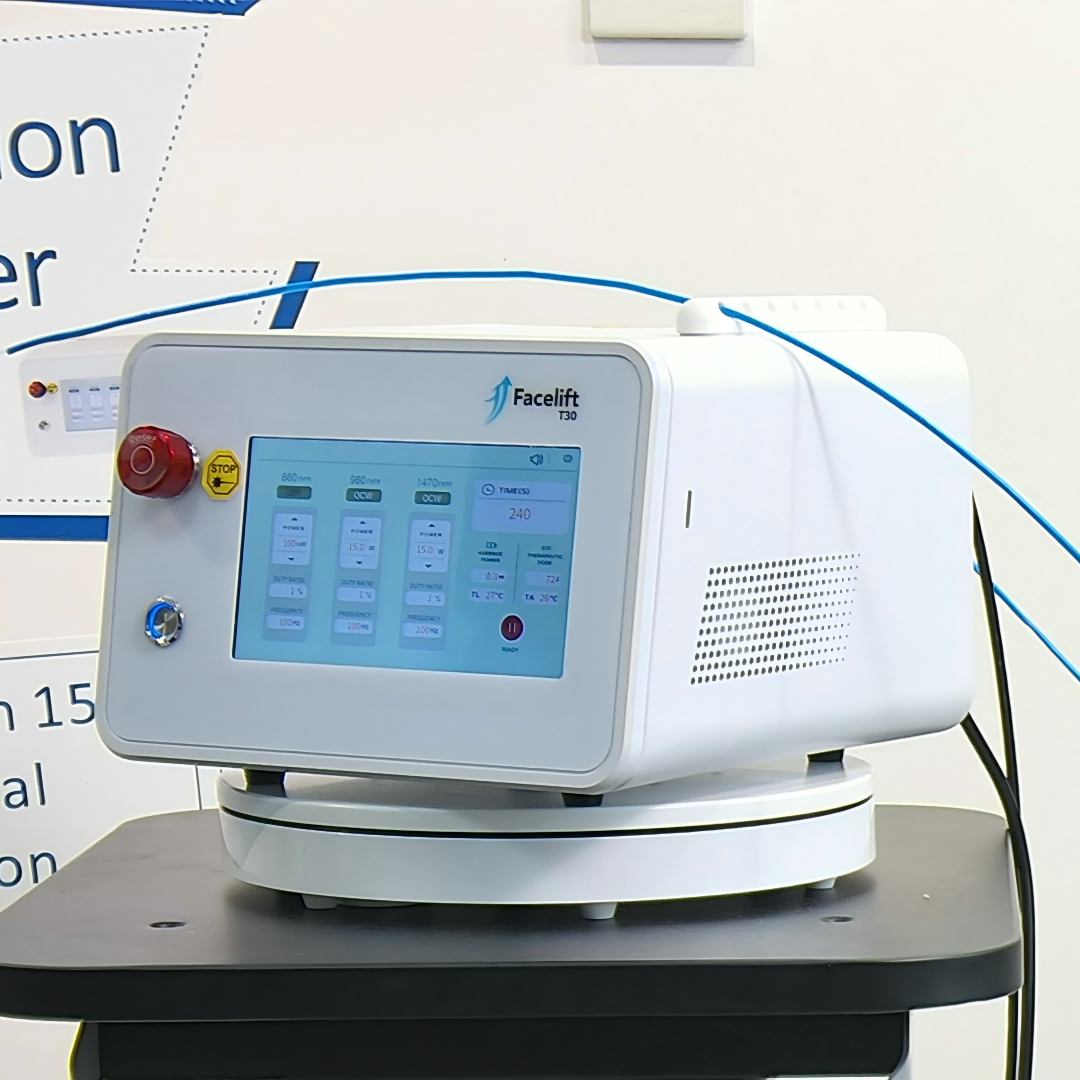
Endolift laser is an advanced minimally invasive laser technology that uses a micro-optical fiber to deliver laser energy directly into the subdermal tissue. Unlike traditional external laser treatments, Endolift works from inside the tissue layer, allowing controlled energy delivery for skin tightening, tissue remodeling and localized fat reduction.
The technology is primarily based on a 1470nm diode laser wavelength, which interacts strongly with water-containing tissues and creates controlled thermal effects in the dermis and subcutaneous layer.
For aesthetic clinics and medical professionals, understanding the working mechanism of Endolift is essential for selecting appropriate laser parameters, treatment protocols and clinical applications.
1. The Core Principle of Endolift Laser Technology
Intradermal Laser Energy Delivery Through Optical Fiber
The fundamental difference between Endolift and conventional external laser treatments is the method of energy delivery.
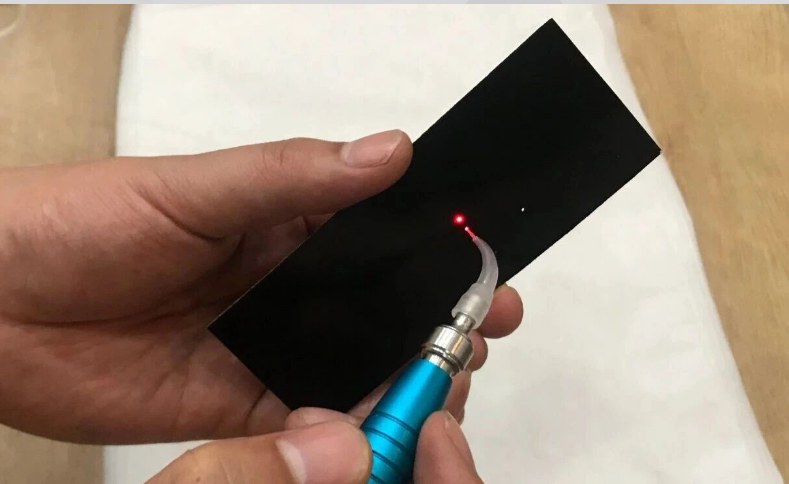
Endolift uses an extremely thin optical fiber inserted into the subcutaneous tissue. The laser energy is delivered directly inside the treatment area, allowing precise interaction with:
- subcutaneous fat
- connective tissue
- dermal collagen structures
Clinical literature describes Endolift as an intralesional 1470nm diode laser procedure using optical fibers for aesthetic applications.
How the process works:
- A micro-optical fiber is inserted beneath the skin.
- 1470nm diode laser energy is delivered through the fiber.
- Laser energy creates controlled thermal stimulation.
- Tissue remodeling processes are activated.
- Collagen restructuring contributes to skin tightening effects.
2. Why Is 1470nm Used in Endolift?
The Role of 1470nm Diode Laser Wavelength
The wavelength selection is one of the most important factors in Endolift technology.
1470nm laser energy has strong interaction with water molecules in biological tissue. Because skin and connective tissues contain significant water content, this wavelength allows controlled thermal effects within targeted tissue layers.
Research on Endolift specifically identifies the technique as a 1470nm diode laser delivered through optical fiber for dermatological aesthetic applications.
Advantages of 1470nm wavelength:
1. Controlled tissue heating
The laser creates localized thermal stimulation rather than surface ablation.
2. Dermal remodeling support
Thermal stimulation may promote collagen remodeling processes.
3. Subcutaneous tissue interaction
Energy delivery beneath the skin allows treatment of areas where skin laxity and localized fat accumulation occur.
3. How Does Endolift Stimulate Collagen Remodeling?
Thermal Effect and Fibroblast Activation
Collagen is the main structural protein responsible for skin firmness and elasticity.
When controlled laser heat is delivered into the dermal layer, several biological responses may occur:
- collagen fiber contraction
- extracellular matrix remodeling
- fibroblast stimulation
- new collagen formation processes
A systematic review published in Aesthetic Plastic Surgery evaluated Endo-lift laser (intralesional 1470nm diode laser) across dermatological aesthetic applications. The review reported favorable outcomes for facial and neck rejuvenation, skin laxity improvement and tissue remodeling, while also noting that larger controlled studies are still needed.
4. Endolift Laser and Fat Remodeling
How Does Endolift Affect Localized Fat?
Besides skin tightening, Endolift technology is also used for localized contouring applications.
The laser fiber delivers energy into the subcutaneous layer, where thermal interaction can influence adipose tissue remodeling.
Common treatment areas include:
- lower face
- jawline
- double chin
- abdomen
- arms
- thighs
A pilot study investigating 1470nm diode laser Endolift treatment for facial fat reduction reported preliminary improvements after treatment of mandibular and submental areas.
5. The Importance of Optical Fiber Technology
Precision Energy Delivery
The optical fiber is a key component of Endolift technology.
Different fiber diameters allow physicians to select suitable approaches depending on:
- treatment area
- tissue characteristics
- clinical objectives
Common fiber sizes include:
- 200μm
- 300μm
- 400μm
- 600μm
Studies describing Endolift procedures highlight the use of micro-optical fibers connected to 1470nm laser systems for precise subdermal energy delivery.
6. Endolift vs Traditional External Laser Treatments
| Technology | Energy Delivery | Main Target |
|---|---|---|
| Endolift | Subdermal fiber delivery | Dermis + subcutaneous tissue |
| CO2 Laser | Surface ablation | Epidermis/dermis |
| HIFU | Ultrasound focus | Deep tissue layers |
| RF Microneedling | Needle-based RF | Dermal remodeling |
The key difference is that Endolift delivers laser energy inside the tissue, allowing direct interaction with deeper structures without traditional surgical incisions.
7. Clinical Applications of Endolift Laser
Based on current clinical literature, Endolift has been investigated for multiple aesthetic applications, including:
Facial rejuvenation
- skin laxity
- jawline contouring
- lower face tightening
Periorbital area
- under-eye concerns
- eyelid laxity
Body contouring
- localized fat reduction
- skin tightening after volume reduction
8. Why Clinics Choose Endolift Laser Technology
For aesthetic professionals, Endolift provides:
Minimally invasive approach
No large surgical incision is required.
Dual-purpose treatment concept
Combining:
- tissue tightening
- collagen remodeling
- localized contouring
Flexible treatment applications
Suitable for:
- facial rejuvenation
- body contouring
- skin tightening procedures
Conclusion
Endolift laser technology combines 1470nm diode laser energy, micro-optical fiber delivery and controlled thermal remodeling to provide a minimally invasive approach for aesthetic tissue remodeling.
By delivering laser energy directly beneath the skin, Endolift enables physicians to target deeper tissue layers while supporting collagen remodeling and localized contouring.
For clinics evaluating advanced laser platforms, understanding the science behind Endolift technology is essential for selecting the right device configuration, wavelength and treatment protocols.
References
- Nilforoushzadeh MA, et al.
The Endo-lift Laser (Intralesional 1470 nm Diode Laser) for Dermatological Aesthetic Conditions: A Systematic Review.
Aesthetic Plastic Surgery, 2024.
DOI: 10.1007/s00266-024-04082-2 - Dias L, et al.
1470 Nm Diode Laser Effectiveness in Facial Fat Reduction with the Endolifting Technique: Pilot Study.
International Journal of Medical Science and Clinical Research, 2023. - Medhat MM, et al.
Interstitial laser treatment with Endolift procedure using 1470nm wavelength.
Journal of Applied Cosmetology, 2023. - Bollero D, et al.
In vivo pilot study of the effects of a subdermal 1470 nm diode laser on human skin.